
Why Sleep is the Secret Ingredient for Your Child’s Brain Health
Sleep is more than rest – it’s when your child’s brain grows, repairs, and prepares for tomorrow’s learning, emotions, and behaviour.
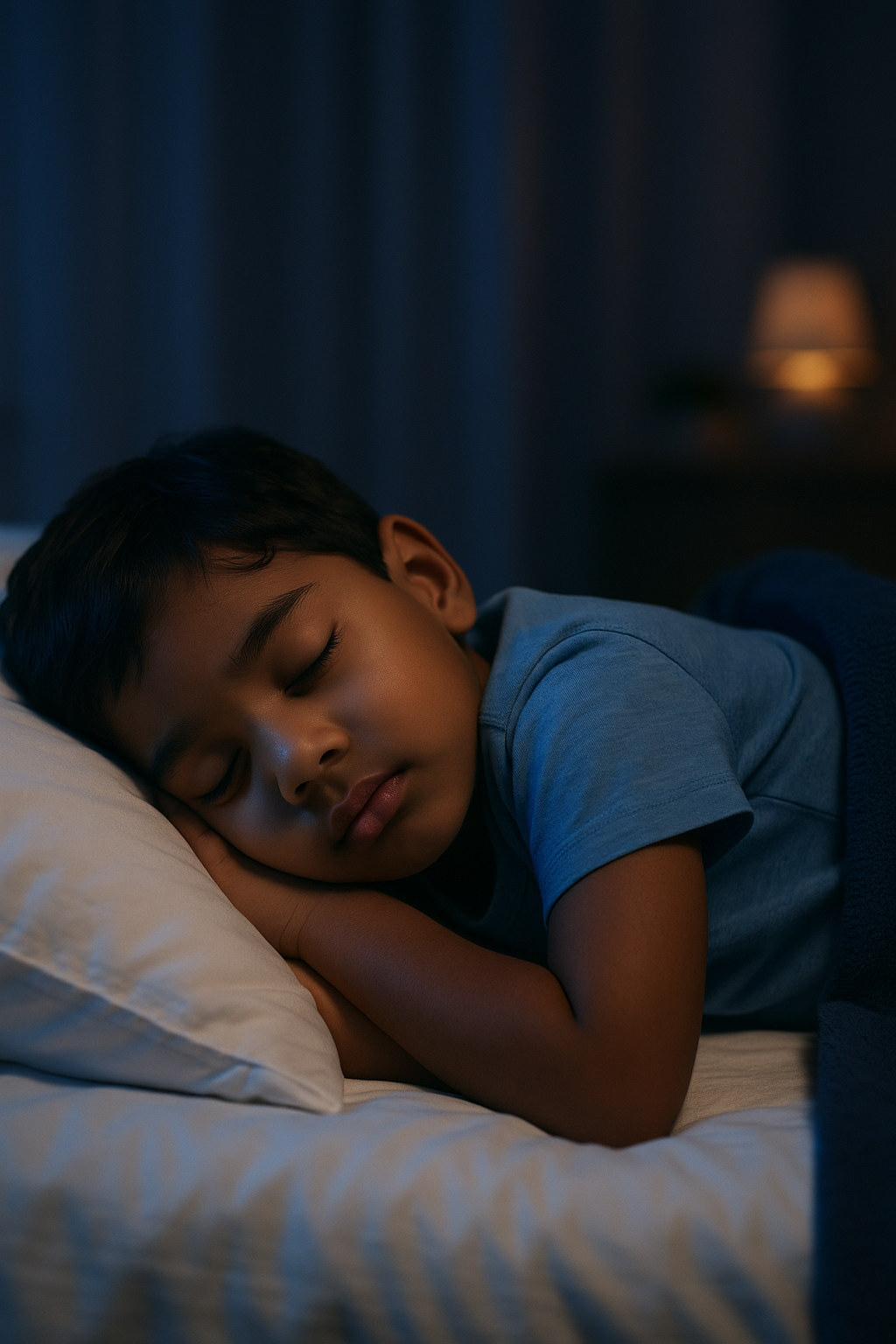
Every parent has seen how a well-rested child wakes up cheerful, learns faster, and manages emotions better. Yet in today’s world of late-night study, television, and screens, sleep often gets sacrificed. While nutrition and exercise receive plenty of attention, sleep remains the invisible ingredient that powers a child’s brain, mood, and growth.
Sleep is not just rest – it’s brain “maintenance time”
Sleep is not just rest; it is a period of intense brain activity. During deep sleep, the brain strengthens memory connections, organizes what the child has learned, and clears unnecessary information. It is also the time when growth hormone is released, essential for both physical and brain development.
The brain’s cleaning system, called the glymphatic system, works most efficiently during sleep, removing toxins and waste products that build up during the day. Each night’s sleep, therefore, helps the brain repair, recharge, and prepare for learning.
How even “a little less” sleep affects mood and behaviour
Even a small reduction in sleep can affect a child’s mood, attention, and performance. A sleepy child may appear inattentive, irritable, or hyperactive. In fact, sleep deprivation can mimic symptoms of attention deficit hyperactivity disorder (ADHD).
The part of the brain most affected is the prefrontal cortex, which controls judgment, concentration, and emotional balance. This explains why tired children often have poor focus, mood swings, and impulsive behavior. Older children and teenagers, who already tend to stay up late, are especially vulnerable to sleep loss, leading to forgetfulness, anxiety, and poor academic performance.
Sleep and neurological health: a two-way connection
Sleep and neurological health are closely connected. In epilepsy, irregular or inadequate sleep is one of the most common seizure triggers. Children with autism or ADHD frequently have disturbed sleep, which in turn worsens their symptoms.
Even otherwise healthy children with irregular sleep routines may show slower cognitive and emotional development. For the developing brain, sleep is as vital as nutrition and oxygen.
How much sleep does my child really need?
The number of hours needed varies by age. Infants require about 12 to 16 hours of sleep, toddlers 11 to 14, preschoolers 10 to 13, school-aged children 9 to 12, and teenagers 8 to 10 hours a night. Many children fall short of these targets by one to two hours daily, enough to affect their learning and emotional control.
| Age group | Recommended sleep (per 24 hours) |
|---|---|
| Infants | 12 – 16 hours |
| Toddlers | 11 – 14 hours |
| Preschoolers | 10 – 13 hours |
| School-aged children | 9 – 12 hours |
| Teenagers | 8 – 10 hours |
How parents can build healthy sleep habits
Parents can help by establishing good sleep habits early. Maintain consistent bedtimes and wake-up times, even on weekends. Encourage a calm routine before bed — reading, quiet music, or soft lighting.
Keep screens and devices out of the bedroom, as blue light suppresses the sleep hormone melatonin. Ensure the room is cool, dark, and comfortable, and avoid caffeine or heavy snacks in the evening. Predictable bedtime routines make children feel secure and help their bodies prepare for rest.
Simple changes that make a big difference
- Set a fixed bedtime and wake time, even on weekends.
- Start a 20–30 minute “wind-down” routine with books, dim lights, or soft music.
- Keep TVs, tablets, and phones out of the bedroom at night.
- Avoid sugary drinks, caffeine, and heavy meals close to bedtime.
- Make the room cool, dark, and quiet to help the brain associate it with sleep.
Warning signs: when sleep may be a problem
- Loud snoring or pauses in breathing while sleeping.
- Restless movements during the night.
- Persistent daytime fatigue or sleeping in class.
- Very late bedtimes and difficulty waking in the morning.
Parents should also be alert to warning signs of sleep disorders. Loud snoring, pauses in breathing, restless movements, or persistent daytime fatigue may indicate conditions such as sleep apnea and should be evaluated by a pediatrician or child neurologist.
For children with epilepsy, autism, or developmental concerns, addressing sleep issues is often an important part of overall management.
Sleep: the simplest gift you can give your child’s brain
Sleep may seem ordinary, but it is the foundation of healthy brain function. It fuels learning, stabilizes mood, aids seizure control, and supports physical growth. Helping your child sleep well is one of the simplest and most powerful ways to nurture lifelong brain health.
So tonight, turn off the screens, dim the lights, and let your child’s brain do its quiet, magical work.